
Description
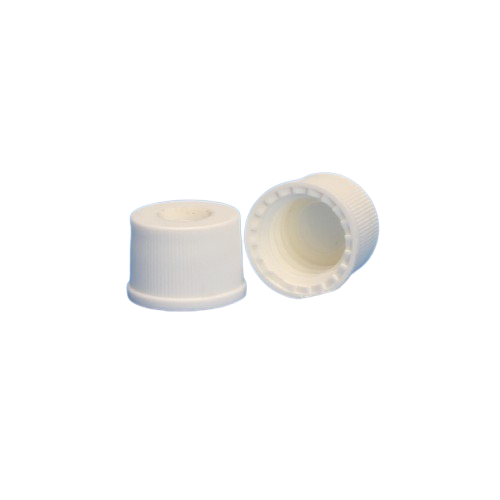
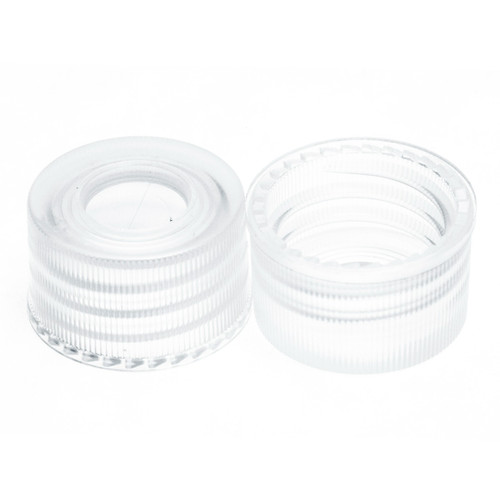
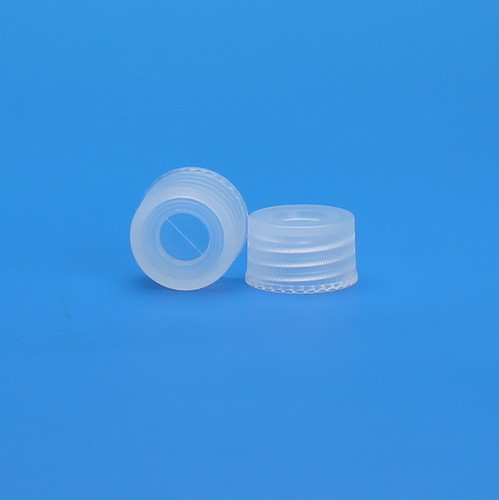
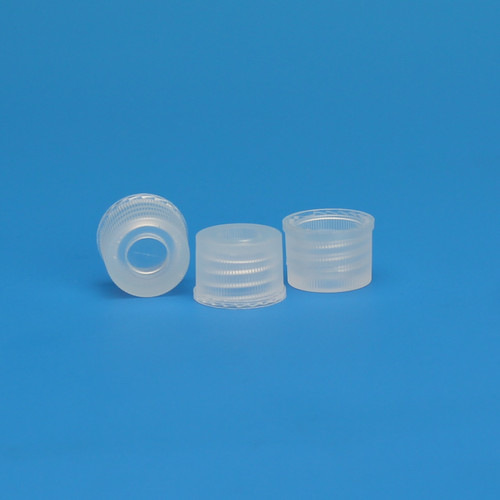
The 8-425mm Top Seal Closure is a solid screw-thread cap designed for 2 mL chromatography vials. It is made of natural polypropylene and features a 10mil (0.254 mm) molded membrane that seals the vial opening completely. The ribbed outer surface provides a secure finger grip during hand-tightening, making it easy to open and close without tools.
This closure threads onto any standard 8-425mm neck finish vial. The 8-425 thread pattern has more threads per inch than wider-opening alternatives like the 9mm or 10mm formats. That tighter thread pitch creates a stronger vapor seal, which helps prevent volatile solvents from evaporating during storage.
Each case contains 1,000 closures organized in 10 shelf packs of 100. The shelf packs are individually bagged in plastic, keeping unused closures clean and protected until needed. Manufactured in the USA.
Frequently Asked Questions
What does "10mil" mean?
The 10mil measurement refers to the thickness of the molded membrane on this closure. One mil equals one thousandth of an inch (0.001 inch), so 10mil is 0.010 inches or approximately 0.254 mm.
Can an autosampler needle pierce through this closure?
This closure is designed as a solid seal. It does not have a septum or a pre-slit opening for needle access. For autosampler needle penetration, use the Easy Pierce version of this closure or pair an open-top closure with a compatible septum.
What solvents is polypropylene resistant to?
Polypropylene is compatible with most aqueous solutions, alcohols, dilute acids, and dilute bases. It is not recommended for use with chlorinated solvents like chloroform or dichloromethane, strong oxidizing acids, or aromatic hydrocarbons like toluene and xylene at elevated temperatures.
How should I store unused closures?
Keep the sealed shelf packs in a clean, dry area at room temperature. The plastic bag packaging protects the closures from dust and airborne contamination. Reseal any opened bags between uses.
Is this closure reusable?
While polypropylene closures can technically be removed and reattached, reuse is not recommended in analytical chemistry workflows. The membrane may deform after the first use, potentially compromising the seal. For reliable results, use a fresh closure each time.